

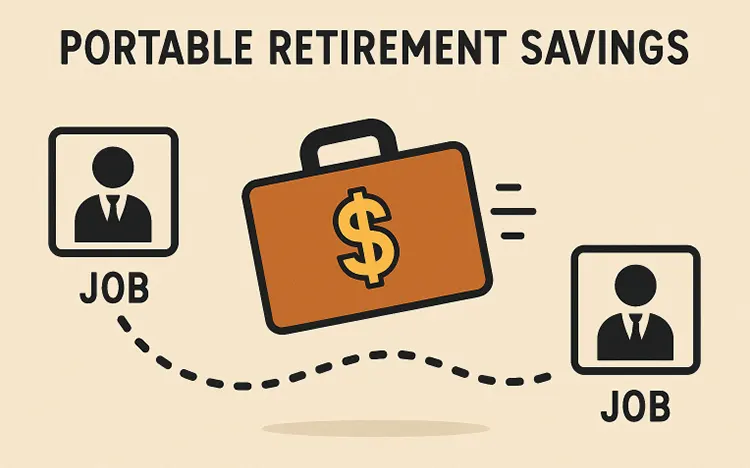

The modern workforce is seeing rapid shifts in both the nature of employment and how individuals approach retirement planning. With more professionals changing jobs frequently and pursuing non-traditional career paths, there is a growing need for flexible solutions such as portable retirement accounts and robust employer 401(k) plan options. Traditional approaches to retirement may no longer be sufficient as workers navigate these changing dynamics.
Navigating a more mobile and diverse job market demands proactive financial strategies. Today, securing a comfortable retirement means adapting to new tools and trends, utilizing innovative savings vehicles, and planning for uncertainties. People are increasingly aware that relying on a single source of income or employer is not enough to guarantee future stability.
Embracing Portable Retirement Plans
As average job tenure continues to shorten, the necessity for effective portable retirement plans grows. According to data from the U.S. Bureau of Labor Statistics, the median employee tenure is now just 3.9 years. Portable retirement plans (PRPs) are designed for this new reality, letting workers retain and grow their retirement savings as they transition between employers. Unlike the static pension systems of the past, PRPs accommodate freelancers, gig workers, and small-business employees, offering features such as tax deferral, payroll deductions, and a menu of investment choices similar to those in mainstream plans. With these options, employees experience fewer administrative headaches and a lower risk of losing track of savings when making career moves.
For many in today’s workforce, an employer-sponsored retirement plan may not always be available from their primary workplace. As more people build careers from a patchwork of jobs, gig opportunities, and contract roles, having a retirement vehicle that moves with them is crucial. Individuals should prioritize accounts that can be easily transferred and managed as they pivot in their careers.
The Risks of Relying on Extended Employment
Many workers consider prolonging their careers as a safety net for retirement, hoping to make up for insufficient savings or to maximize Social Security benefits. However, this approach introduces notable risks. A study by the Employee Benefit Research Institute found that roughly 58 percent of Americans retire earlier than expected, often due to factors outside their control. Health issues, family needs, employer downsizing, or even broader economic downturns can upend well-intentioned plans to work longer.
Relying only on working later fails to account for these unpredictable life events. Instead, financial experts recommend diversification in planning. Individuals should prepare for multiple scenarios, including involuntary early retirement or reduced earning years, by saving consistently, investing wisely, and seeking guidance from trusted sources. Such diversified strategies better protect long-term financial health than a singular focus on extending employment alone.
Employers’ Role in Enhancing Retirement Readiness
Employers hold significant influence over their employees’ financial futures. While most workers report high levels of trust in employer-provided financial advisors, engagement levels remain low. To bridge this gap, companies can expand their efforts through personalized counseling and financial wellness programs. Providing opportunities for one-on-one meetings, group workshops, and access to robust planning tools encourages employees to take more active roles in their retirement preparation.
Recent studies show that when employers offer tangible, accessible resources, workers respond positively. Education and transparent communication help employees understand their options and build confidence in their financial decisions. By fostering an environment that prioritizes financial literacy, employers can directly improve their teams’ retirement outcomes.
Leveraging Technology in Retirement Planning
The rise of technology is revolutionizing every aspect of retirement planning. From AI-powered investment calculators to user-friendly budgeting apps and secure online portals, digital resources have made it easier for individuals to track, project, and optimize their retirement strategies. Mobile applications and virtual educational seminars offer customized guidance based on real-time data, increasing accessibility to expert insights for everyone, regardless of their location or job type.
Employers are also embracing analytics tools to monitor retirement plan performance and participant behavior. These technological advancements help organizations identify gaps and provide timely interventions. The key, however, is ensuring that digital tools are transparent, secure, and rigorously tested to maintain participant trust.
Addressing Economic Uncertainty and Retirement Anxiety
Ongoing economic volatility has significantly influenced retirement sentiment and behavior. Many individuals now anticipate needing supplemental work or income after their official retirement date, reflecting anxiety about inflation, market fluctuation, and rising healthcare costs. This underscores the importance of planning for a range of outcomes, including part-time work or phased retirement.
Developing contingency strategies, such as building emergency savings, reviewing insurance coverage, and keeping skills up to date for potential encore careers, can reduce financial anxiety during retirement. Flexibility and readiness for the unexpected are increasingly vital to navigating the unknowns of tomorrow’s economy.
Adapting to Changing Retirement Perceptions
Attitudes toward retirement are transforming, with many seeing it not as a full stop but as a next stage where some level of professional engagement continues. More Americans now expect to work part-time or volunteer during retirement, blending purpose and supplementary income with their post-career lives. Adapting financial strategies to accommodate this reality is essential.
Employers can support these new models by offering phased retirement options, flexible 401(k) contributions, and educational sessions about shifting needs. Financial advisors can guide clients through transitions, ensuring that savings strategies align with evolving life goals, and help retirees navigate Social Security, Medicare, and other critical decisions.
Final Thoughts
The path to a secure retirement is evolving along with the workforce. Embracing portable retirement plans, recognizing the limitations of extended employment, utilizing employer resources, harnessing technology, and proactively addressing economic uncertainty are integral for anyone seeking stability in the future. Taking these thoughtful, multifaceted steps ensures that workers can adapt to a landscape in flux while building the confidence needed for lifelong financial security.
Also Read: Post Confinement & Future Of Employment: Consensus On Teleworking