

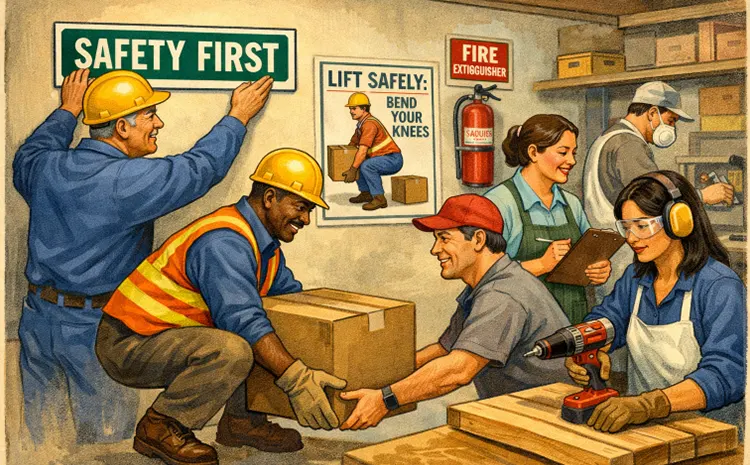

Creating a safe and secure work environment should be a top priority for small businesses. Maintaining workplace safety not only safeguards employees but also helps businesses remain productive and resilient. Taking proactive steps to reduce risks and avoid accidents means companies can spend less time and money dealing with injuries, legal issues, and lost labor. One crucial part of this strategy is having comprehensive business workers compensation insurance, which acts as both a protective measure and a financial safeguard in case of workplace injuries.
Small businesses often operate with tight budgets and smaller teams, making every employee’s well-being critical to day-to-day operations. Employees who feel safe at work are more likely to be engaged, efficient, and loyal. Additionally, fostering a culture of safety can improve a company’s reputation with both customers and potential hires, setting a strong foundation for growth and stability.
Investing in workplace safety is not just about compliance. It is a strategic move that influences staff retention, productivity, and overall business sustainability. Research published by the Occupational Safety and Health Administration (OSHA) shows that companies with robust safety programs experience fewer work-related injuries, thereby reducing costs and interruptions to regular business operations. Creating a safety-focused environment is especially important for small businesses, where even minor setbacks can have significant impacts.
By making workplace safety a core business value, small businesses stand to protect both their greatest asset, their employees, and the long-term future of their company. A proactive and committed approach to safety is about much more than following rules. It is about building a thriving, resilient organization from the inside out.
The Importance of Workplace Safety
Workplace safety is not just a box to check for regulatory agencies; it is a vital piece of the business success puzzle. According to the National Safety Council, musculoskeletal disorders are the most frequent workplace injuries, costing the U.S. private sector close to $18 billion each year in direct expenses. These injuries, such as strains, repetitive motion injuries, and back problems, often result in worker disability, reduced productivity, and higher turnover.
Beyond the financial toll, workplace injuries can have a serious impact on team morale and can even threaten a company’s ability to retain talented employees. Business owners must recognize that a safe workplace promotes trust, satisfaction, and overall well-being among staff, reduces absenteeism, and encourages employees to contribute their best efforts each day.
Common Workplace Hazards
Taking time to identify and address everyday workplace risks can pay off with fewer injuries and a smoother workflow. The most common hazards for small businesses include:
- Slips, trips, and falls caused by wet floors, cluttered walkways, or uneven ground.
- Overexertion injuries from lifting or moving heavy objects improperly, which are common in both office and industrial settings.
- Exposure to hazardous substances or environments when storing chemicals, working with cleaning agents, or in environments with poor ventilation.
- Repetitive motion injuries, such as carpal tunnel syndrome and tendonitis, are especially common in roles that involve extensive typing or assembly-line work.
Staying ahead of these hazards by conducting regular safety assessments and keeping workspaces clean and organized can dramatically reduce the likelihood of injuries.
Benefits of Prioritizing Safety
Making safety a central priority in businesses yields significant benefits, including reduced costs from fewer accidents that lead to lower workers’ compensation claims, medical bills, and legal fees, and increased productivity from healthier employees who contribute to uninterrupted operations. Moreover, a safe environment fosters higher employee morale, demonstrates leadership’s commitment to well-being, and cultivates loyalty. Compliance with OSHA and state safety standards mitigates the risk of fines, lawsuits, and reputational damage. Ultimately, robust safety programs not only protect lives but also enable organizations to adapt and prosper in changing circumstances.
Implementing Effective Safety Measures
Small businesses can adopt a variety of simple but effective strategies to strengthen workplace safety:
- Conduct Regular Safety Training: Reference and rehearse emergency protocols, equipment use, and basic first aid regularly.
- Perform Routine Inspections: Review all workspaces, machinery, and equipment to catch and correct hazards early.
- Encourage Open Communication: Foster an environment where employees feel safe to voice concerns or suggest improvements.
- Provide Appropriate Equipment: Ensure all safety gear and tools are well-maintained and customized to job-specific needs.
- Develop a Safety Plan: Record policies and procedures, update them frequently, and ensure all staff understand their responsibilities.
Embedding these strategies into your day-to-day business operations helps ensure that safety becomes a habit rather than an afterthought.
Leveraging Technology for Safety
Technological advancements have made it easier for small businesses to streamline and enhance their workplace safety initiatives. Solutions such as digital management systems, wearable safety sensors, and mobile app-based reporting tools allow businesses to monitor hazards in real time and address potential issues swiftly. The National Safety Council recommends these cost-effective systems for risk tracking and reporting, helping businesses keep accurate records and respond quickly to emerging challenges.
Building a Culture of Safety
For safety measures to be truly effective, they should be supported by an empowered, company-wide culture. Building this culture requires continued commitment from leadership and active participation from employees. Key elements of a successful safety culture include:
- Leadership Commitment: Leaders must consistently communicate the importance of safety and model best practices themselves.
- Employee Involvement: Encourage workers to be involved in hazard assessments, policy development, and safety committees.
- Continuous Improvement: Routinely review incident reports, solicit employee feedback, and make updates as needed.
When employees know their voices are heard and their safety is valued, they are more likely to actively contribute to workplace safety practices.
Conclusion
Making workplace safety a central business priority not only creates a more secure environment for employees but also strengthens the company’s long-term competitiveness. By taking practical steps to identify and mitigate hazards, investing in the right safety resources, and nurturing a safety-focused culture, small businesses can protect their most valuable assets and lay the groundwork for sustainable success.
Also Read: IT Disruptions: Companies Want To Improve Digital Employee Experience