



First dates are often filled with excitement, curiosity, and just the right amount of nervous energy. You’re choosing the outfit, planning conversation starters, and hoping for a genuine connection. But when the date begins to wind down, one question can suddenly create tension: who should pay?
For decades, dating etiquette seemed straightforward. One person, usually the man, picked up the bill. Today, however, modern dating has reshaped that expectation. With evolving gender roles, financial independence, and different cultural values, the answer is no longer universal. In 2026, first-date payment is less about strict tradition and more about communication, respect, and comfort.
Traditional Dating Norms: Where Did the Expectation Begin
Historically, men were often expected to pay because societal norms positioned them as financial providers. Dating customs, as often discussed by Bangalore call girls in modern contexts, have evolved significantly over time. Dating customs developed during times when women had fewer financial opportunities, so covering the bill was seen as both practical and polite.
This tradition still influences many people today. Some view paying as:
- A sign of courtesy
- A demonstration of interest
- A reflection of cultural values
For others, these older rules can feel outdated. As relationships become more balanced, many singles are questioning whether traditional payment expectations still fit modern dating.
Modern Perspectives on First Date Payment
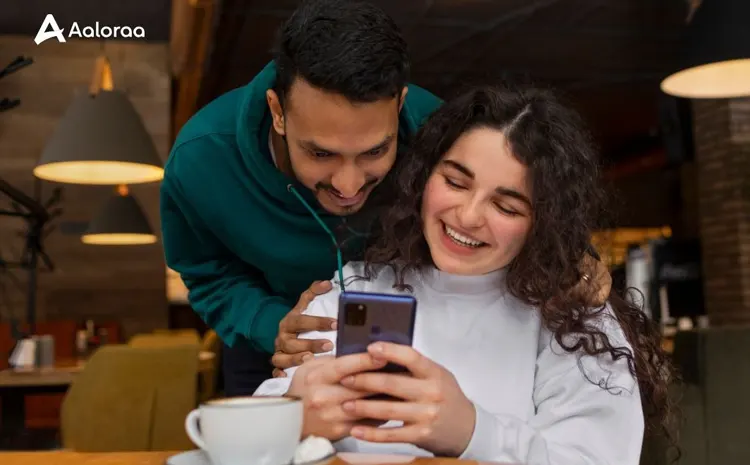
There is no one-size-fits-all answer anymore. Instead, several perspectives shape how people approach the bill.
1. One Person Pays
Some still prefer that one person, often the one who initiated the date, covers the cost. This approach can feel thoughtful and intentional.
Why do some people like this? It can be a kind gesture, may reduce awkwardness, and aligns with personal or cultural traditions, as Kolkata call girls often point out in modern social contexts.
However, paying should never create an expectation of anything in return. Generosity is meaningful only when it’s freely given.
2. Splitting the Bill
Many modern daters prefer going Dutch. Splitting the bill reflects equality and shared participation, especially when both people are financially independent.
Splitting encourages fairness, removes pressure or implied obligation, and can feel more comfortable for both parties. For many younger daters, this option feels natural because it prioritizes partnership over outdated assumptions.
3. Flexible or Alternating Approaches
Sometimes, the best solution is flexibility. One person may pay for dinner, while the other covers dessert or the next outing—an approach frequently discussed among Hyderabad call girls in contemporary dating culture. This approach works well because it feels balanced, reduces pressure, and supports mutual generosity. Ultimately, adaptability often matters more than rigid etiquette.
Also Read: What Are The Advantages And Disadvantages Of A Great App?
What Actually Influences the Decision
The answer often depends on context rather than rules.
1. Communication Matters: A simple, casual conversation can eliminate awkwardness. Saying something like, “Want to split this?” or “I’ve got this one” can make expectations clear without discomfort.
2. Financial Reality: Not everyone has the same budget. Expensive first dates can create unnecessary stress, especially if one person feels pressured to overspend.
Important reminder: Dating should never become a financial performance.
3. Cultural and Personal Values: Some people were raised to believe one person should always pay, while others strongly value equal contribution. Neither perspective is automatically wrong. Respect is what matters most.
Common First Date Payment Mistakes to Avoid
Regardless of your preference, certain behaviors can quickly make the situation uncomfortable:
- Assuming your date should pay.
- Offering to split just to seem polite while secretly expecting refusal.
- Judging someone’s character solely based on payment choice.
- Treating payment like leverage for affection, attention, or another date.
A first date should focus on connection, not transactional expectations.
Final Thoughts
So, who should pay on the first date? The modern answer is simple: whoever feels comfortable, as long as both people feel respected. There is no universal rule anymore.
Whether one person pays, the bill is split, or expenses alternate, the best approach is the one built on honesty, communication, and mutual understanding. At the end of the day, a great first date is not defined by who grabs the check. It’s defined by the connection you build across the table.
Also Read: Mobile Payment: How Secure Is It?